-
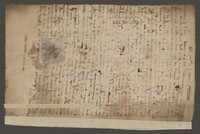 Phineas Pemberton, Ralph Pemberton, February 9, 1669
 Letter dated February 9, 1669 (January 30, 1669 Old Style) from Phineas Pemberton to his father, Ralph Pemberton, concerning his impending appearance at court following his arrest with several others for holding a meeting at Nehimiah Poole's house. Phineas asks if his father can come to Manchester in nine days. The purpose of the visit will be to assuage Phineas' mistress before his upcoming trial and to assure her that his father cares about him. Phineas makes it clear the visit is not for his sake as he views imprisonment as a test of faith. Phineas warns his father that his mistress might try to get Ralph to appear on Phineas' behalf. However, he does not want his father to appear on his behalf because of an oath his father might be required to take. Quaker belief prevented Friends from taking oaths, and not taking the oath subjected Friends to fines, forfeiture of goods, and imprisonment.
-
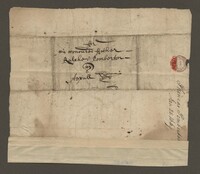 Phineas Pemberton, Ralph Pemberton, February 4, 1669
 Letter dated February 4, 1669 (January 25, 1669 Old Style) from Phineas Pemberton to Ralph Pemberton, both members of the Society of Friends. It concerns Phineas' arrest with several others by the constable for holding a meeting at Nehimiah Poole's house. They were taken to the town hall and questioned by justices of the peace.
-
James Harrison, William Leth, and Joseph Macon, , July 24, 1669
Theological essay dated July 9, 1669 (9 5mo. 1669 Old Style) written by James Harrison and in conversation with William Leth and Joseph Macon. It expounds on Quaker doctrine and contains numerous Biblical references and allusions.
-
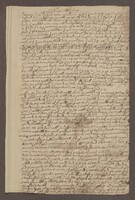 James Harrison, William Leth and Joseph Macon, July 24, 1669
 Theological essay dated July 24, 1669 (July 14, 1669 Old Style) written by James Harrison and in conversation with William Leth and Joseph Macon. It expounds on Quaker doctrine and contains numerous Biblical references and allusions.
-
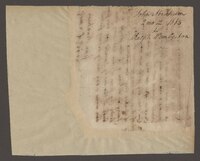 John Abraham, Ralph Pemberton, April 22, 1665
 Letter of invitation dated April 22, 1665 (April 12, 1665 Old Style) from John Abraham to Ralph Pemberton. Abraham wishes Pemberton to send word when he plans to be in town, so that Abraham may be at home to see him.
-
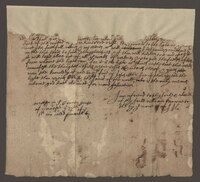 James Harrison and Edward Bourne, a Friend, March 31, 1663; April 1, 1663
 Two letters dated March 31, 1663 (March 21, 1663 Old Style) and April 1, 1663 (March 22, 1663 Old Style) from James Harrison and Edward Bourne to a fellow Friend, written from Worcester Jail. They wish to dispel the many false accusations laid upon them, namely their dishonoring of the Lord. There is also a mention of something Harrison said concerning the Church of England. Harrison and Bourne, along with John Cartwright, were arrested while at Bourne's house. They maintain they were charged wrongfully, and wish not to be defamed for words they did not say.
-
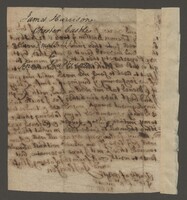 James Harrison, Ann Harrison, October 28, 1666
 Letter written from jail dated October 28, 1666 (October 18, 1666 Old Style) from James Harrison to his wife, Ann Harrison. Hearing she has not been well, he asks her to send word at her next opportunity. He talks about his shoemaking business, his employees Edward Lingard and Roger Longworth, and impending employment. Finally, he assures her of both his health and those imprisoned with him, and sends her his love.
-
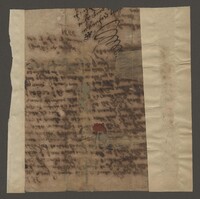 James Harrison, Ann Harrison, September 17, 1666
 Letter dated September 17, 1666 (September 7, 1666 Old Style) from James Harrison to Ann Harrison. In this letter to his wife, James Harrison discusses aspects of his shoemaking business. He mentions Edward Lingard who is willing to help his apprentice, Roger Longworth. Harrison also mentions his not yet starting a customer's order.
-
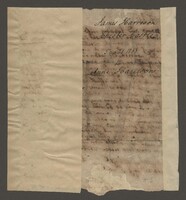 James Harrison, Ann Harrison, July 31, 1666
 Letter dated July 31, 1666 (July 21, 1666 Old Style) from James Harrison to his wife, Ann Harrison. He is discussing her upcoming visit to him, accompanied by his daughter Phebe and his employee, Edward Lingard.
-
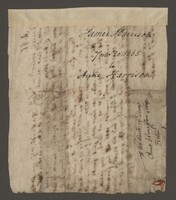 James Harrison, Ann Harrison, September 30, 1665
 Letter dated September 20, 1665 (September 30, 1665 Old Style) from James Harrison to his wife, Ann Harrison. He expresses his happiness at hearing she is doing well.
-
James Harrison, Judge Thomas Wild,
Written from Worcester Jail to a local judge, this letter details the some of the persecution that Quakers faced, such having goods and property seized from them. Another form of persecution mentioned is frequent imprisonment: for actively engaging in the practice of the faith, or randomly on suspicion of being a Quaker and being associated with the sect and its members. Money was sometimes demanded for the return of the items if return was offered at all, and was also demanded as payment of bail to release imprisoned Friends.
-
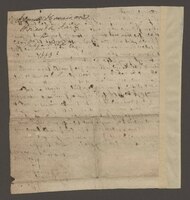 James Harrison, Judge Thomas Wild, [April 1663]
 Letter dated 1664 (1663 Old Style) from James Harrison to Judge Thomas Wild, regarding the seizure of his horse and other possessions following his arrest and imprisonment. This letter details some of the persecution that Quakers faced, such as having goods and property seized. Another form of persecution mentioned is frequent imprisonment: for actively engaging in the practice of the faith, or randomly on suspicion of being a Quaker and being associated with the sect and its members. Money was sometimes demanded for the return of the items, if return was offered at all, and was also demanded as payment of bail to release imprisoned Friends.
-
 Ann Harrison, James Harrison, 1655
 Copy of an excerpt of a letter from Ann Harrison to James Harrison. The letter is in Phineas Pemberton's handwriting. Note on the back identifies the recpient as the brother of the sender. However, the content of the letter and the similarity of signature likely make the sender Ann Harrison, his wife.
-
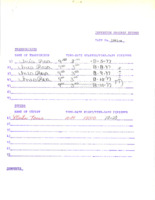 Transcript for Tape 1961-A
-
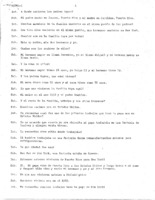 Transcript for Tape 2007-A
-
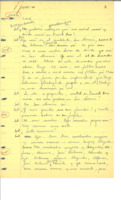 Transcript for Tape 2000-A
-
 Transcript for Tape 1994-A
-
 Transcript for Tape 1980-A
-
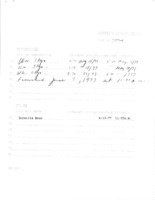 Transcript for Tape 1979-A
-
 Transcript for Tape 1957-A
-
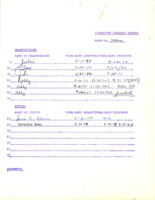 Transcript for Tape 1956-A
-
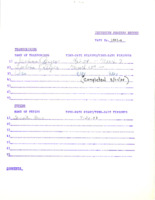 Transcript for Tape 1951-A
-
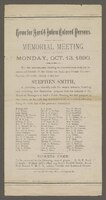 Home for Aged and Infirm Colored Persons Memorial Meeting broadside, 1890
 This broadside advertises a public meeting to memorialize Stephen Smith, one of the Home's most generous benefactors.
-
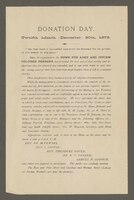 Home for Aged and Infirm Colored Persons Donation Day broadside, 1879
 The Home for Aged and Infirm Colored Persons put out this broadside advertising "Donation Day" in effort to solicit provisions and financial support, and to increase public awareness of its operations. It also invites 'friends of the Home' to visit and observe the work being done to support the elderly black community.
-
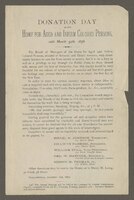 Home for Aged and Infirm Colored Persons Donation Day broadside, 1876
 The Home for Aged and Infirm Colored Persons put out this broadside advertising "Donation Day" in effort to solicit provisions and financial support, and to increase public awareness of its operations. It also invites 'friends of the Home' to visit and observe the work being done to support the elderly black community.