-
 Magdalen Society of Philadelphia minutes of the board of managers, 1810-1818
 The Magdalen Society of Philadelphia was founded in 1800 by concerned citizens and members of the Quaker, Episcopal, and Presbyterian clergies in order to provide asylum for prostitutes and "wayward" women. The board of managers meeting minutes offer a glimpse inside the administrative activities and composition of the Magdalen Society. They report developments in the Society's sundry committees, finances, bylaws, and occupants. The minutes also shed light on the convictions of the all-male board.
-
 Magdalen Society of Philadelphia minutes of the board of managers, 1800-1810
 The Magdalen Society of Philadelphia was founded in 1800 by concerned citizens and members of the Quaker, Episcopal, and Presbyterian clergies in order to provide asylum for prostitutes and "wayward" women. The board of managers meeting minutes offer a glimpse inside the administrative activities and composition of the Magdalen Society. They report developments in the Society's sundry committees, finances, bylaws, and occupants. The minutes also shed light on the convictions of the all-male board.
-
 Magdalen Society of Philadelphia minutes of annual meetings, 1908-1916
 The Magdalen Society of Philadelphia was founded in 1800 by concerned citizens and members of the Quaker, Episcopal, and Presbyterian clergies in order to provide asylum for prostitutes and "wayward" women. The annual meeting meeting minutes offer a glimpse inside the administrative and operative activities of the Magdalen Society. They report developments in the Society's sundry committees, finances, bylaws, and occupants. Pages 74 to 269 in this volume are blank.
-
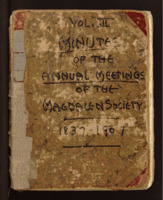 Magdalen Society of Philadelphia minutes of annual meetings, 1837-1907
 The Magdalen Society of Philadelphia was founded in 1800 by concerned citizens and members of the Quaker, Episcopal, and Presbyterian clergies in order to provide asylum for prostitutes and "wayward" women. The annual meeting meeting minutes offer a glimpse inside the administrative and operative activities of the Magdalen Society. They report developments in the Society's sundry committees, finances, bylaws, and occupants.
-
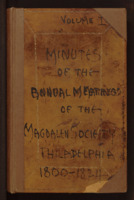 Magdalen Society of Philadelphia minutes of annual meetings, 1800-1824
 The Magdalen Society of Philadelphia was founded in 1800 by concerned citizens and members of the Quaker, Episcopal, and Presbyterian clergies in order to provide asylum for prostitutes and "wayward" women. The annual meeting meeting minutes offer a glimpse inside the administrative and operative activities of the Magdalen Society. They report developments in the Society's sundry committees, finances, bylaws, and occupants. Pages 301 to 346 of this volume are blank.
-
 Woman Suffrage Society of the County of Philadelphia meeting minutes
 The Woman Suffrage Society of the County of Philadelphia was established by prominent suffragist Jane Campbell in 1892 and was one of an array of associations dedicated to promoting women’s suffrage in the Philadelphia area during the late nineteenth and early twentieth centuries. The Society’s meeting minutes reveal developments in promotional activities, which included fundraising events, the distribution of leaflets, petitions, and educational lectures. The minutes also record membership lists and financial statements, and trace the changes in the Society’s organizational structure and composition. Pages 15 to 22 are missing from this volume.
-
 Woman Suffrage Party of Logan meeting minutes
 The Woman Suffrage Society of the County of Philadelphia was established by prominent suffragist Jane Campbell in 1892 and was one of an array of associations dedicated to promoting women’s suffrage in the Philadelphia area during the late nineteenth and early twentieth centuries. The Society’s meeting minutes reveal developments in promotional activities, which included fundraising events, the distribution of leaflets, petitions, and educational lectures. The minutes also record membership lists and financial statements, and trace the changes in the Society’s organizational structure and composition. Pages 15 to 22 are missing from this volume.
-
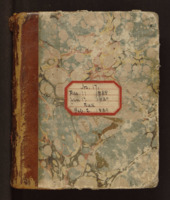 Deborah Norris Logan diary, 1838-1839
 Deborah Norris Logan (1761-1839) was a Quaker historian and memoirist. She was born into one of the most prominent families of Philadelphia and was married to George Logan in 1781. While primarily self-taught, Deborah attended Philadelphia's Friends Girls School and was considered highly educated. She is best known for the seventeen volumes that make up her diary, which she maintained until her death. The diary provides a window into post-revolutionary America, and highlights the day-to-day happenings of domestic life, as well as social and political developments in North America and Europe. Deborah meticulously logged weather patterns and other natural phenomenon, and recorded interactions with family and friends. She also mused on historical and contemporary events, which includes her experience listening to the first reading of the Declaration of Independence as a young girl. She had close ties with America's elite and foreign diplomats, and her writing chronicles the lives of the most eminent figures of the time, including John Adams, George Washington, and Joseph Bonaparte. As time passed, her diary became an outlet for her emotional distress, especially after the deaths of her husband in 1821 and her son Algernon in 1835. Deborah's role as a "revolutionary mother" was of primary importance to her, and her writing delineates how women viewed their lives and constructed their own identities within a broader social framework. Pages 133 and 330 are missing from this volume.
-
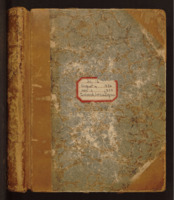 Deborah Norris Logan diary, 1836-1838
 Deborah Norris Logan (1761-1839) was a Quaker historian and memoirist. She was born into one of the most prominent families of Philadelphia and was married to George Logan in 1781. While primarily self-taught, Deborah attended Philadelphia's Friends Girls School and was considered highly educated. She is best known for the seventeen volumes that make up her diary, which she maintained until her death. The diary provides a window into post-revolutionary America, and highlights the day-to-day happenings of domestic life, as well as social and political developments in North America and Europe. Deborah meticulously logged weather patterns and other natural phenomenon, and recorded interactions with family and friends. She also mused on historical and contemporary events, which includes her experience listening to the first reading of the Declaration of Independence as a young girl. She had close ties with America's elite and foreign diplomats, and her writing chronicles the lives of the most eminent figures of the time, including John Adams, George Washington, and Joseph Bonaparte. As time passed, her diary became an outlet for her emotional distress, especially after the deaths of her husband in 1821 and her son Algernon in 1835. Deborah's role as a "revolutionary mother" was of primary importance to her, and her writing delineates how women viewed their lives and constructed their own identities within a broader social framework. Pages 133 and 330 are missing from this volume.
-
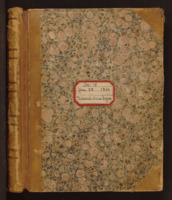 Deborah Norris Logan diary, 1834-1836
 Deborah Norris Logan (1761-1839) was a Quaker historian and memoirist. She was born into one of the most prominent families of Philadelphia and was married to George Logan in 1781. While primarily self-taught, Deborah attended Philadelphia's Friends Girls School and was considered highly educated. She is best known for the seventeen volumes that make up her diary, which she maintained until her death. The diary provides a window into post-revolutionary America, and highlights the day-to-day happenings of domestic life, as well as social and political developments in North America and Europe. Deborah meticulously logged weather patterns and other natural phenomenon, and recorded interactions with family and friends. She also mused on historical and contemporary events, which includes her experience listening to the first reading of the Declaration of Independence as a young girl. She had close ties with America's elite and foreign diplomats, and her writing chronicles the lives of the most eminent figures of the time, including John Adams, George Washington, and Joseph Bonaparte. As time passed, her diary became an outlet for her emotional distress, especially after the deaths of her husband in 1821 and her son Algernon in 1835. Deborah's role as a "revolutionary mother" was of primary importance to her, and her writing delineates how women viewed their lives and constructed their own identities within a broader social framework. Pages 133 and 330 are missing from this volume.
-
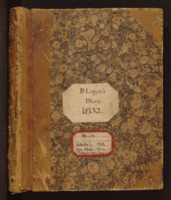 Deborah Norris Logan diary, 1832-1834
 Deborah Norris Logan (1761-1839) was a Quaker historian and memoirist. She was born into one of the most prominent families of Philadelphia and was married to George Logan in 1781. While primarily self-taught, Deborah attended Philadelphia's Friends Girls School and was considered highly educated. She is best known for the seventeen volumes that make up her diary, which she maintained until her death. The diary provides a window into post-revolutionary America, and highlights the day-to-day happenings of domestic life, as well as social and political developments in North America and Europe. Deborah meticulously logged weather patterns and other natural phenomenon, and recorded interactions with family and friends. She also mused on historical and contemporary events, which includes her experience listening to the first reading of the Declaration of Independence as a young girl. She had close ties with America's elite and foreign diplomats, and her writing chronicles the lives of the most eminent figures of the time, including John Adams, George Washington, and Joseph Bonaparte. As time passed, her diary became an outlet for her emotional distress, especially after the deaths of her husband in 1821 and her son Algernon in 1835. Deborah's role as a "revolutionary mother" was of primary importance to her, and her writing delineates how women viewed their lives and constructed their own identities within a broader social framework. Pages 133 and 330 are missing from this volume.
-
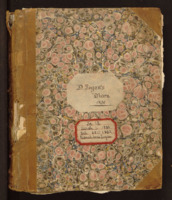 Deborah Norris Logan diary, 1830-1832
 Deborah Norris Logan (1761-1839) was a Quaker historian and memoirist. She was born into one of the most prominent families of Philadelphia and was married to George Logan in 1781. While primarily self-taught, Deborah attended Philadelphia's Friends Girls School and was considered highly educated. She is best known for the seventeen volumes that make up her diary, which she maintained until her death. The diary provides a window into post-revolutionary America, and highlights the day-to-day happenings of domestic life, as well as social and political developments in North America and Europe. Deborah meticulously logged weather patterns and other natural phenomenon, and recorded interactions with family and friends. She also mused on historical and contemporary events, which includes her experience listening to the first reading of the Declaration of Independence as a young girl. She had close ties with America's elite and foreign diplomats, and her writing chronicles the lives of the most eminent figures of the time, including John Adams, George Washington, and Joseph Bonaparte. As time passed, her diary became an outlet for her emotional distress, especially after the deaths of her husband in 1821 and her son Algernon in 1835. Deborah's role as a "revolutionary mother" was of primary importance to her, and her writing delineates how women viewed their lives and constructed their own identities within a broader social framework. Pages 133 and 330 are missing from this volume.
-
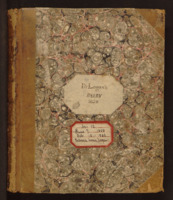 Deborah Norris Logan diary, 1828-1830
 Deborah Norris Logan (1761-1839) was a Quaker historian and memoirist. She was born into one of the most prominent families of Philadelphia and was married to George Logan in 1781. While primarily self-taught, Deborah attended Philadelphia's Friends Girls School and was considered highly educated. She is best known for the seventeen volumes that make up her diary, which she maintained until her death. The diary provides a window into post-revolutionary America, and highlights the day-to-day happenings of domestic life, as well as social and political developments in North America and Europe. Deborah meticulously logged weather patterns and other natural phenomenon, and recorded interactions with family and friends. She also mused on historical and contemporary events, which includes her experience listening to the first reading of the Declaration of Independence as a young girl. She had close ties with America's elite and foreign diplomats, and her writing chronicles the lives of the most eminent figures of the time, including John Adams, George Washington, and Joseph Bonaparte. As time passed, her diary became an outlet for her emotional distress, especially after the deaths of her husband in 1821 and her son Algernon in 1835. Deborah's role as a "revolutionary mother" was of primary importance to her, and her writing delineates how women viewed their lives and constructed their own identities within a broader social framework. Pages 155, 190 to 199, and 245 are missing from this volume.
-
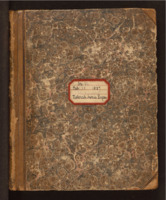 Deborah Norris Logan diary, 1827-1828
 Deborah Norris Logan (1761-1839) was a Quaker historian and memoirist. She was born into one of the most prominent families of Philadelphia and was married to George Logan in 1781. While primarily self-taught, Deborah attended Philadelphia's Friends Girls School and was considered highly educated. She is best known for the seventeen volumes that make up her diary, which she maintained until her death. The diary provides a window into post-revolutionary America, and highlights the day-to-day happenings of domestic life, as well as social and political developments in North America and Europe. Deborah meticulously logged weather patterns and other natural phenomenon, and recorded interactions with family and friends. She also mused on historical and contemporary events, which includes her experience listening to the first reading of the Declaration of Independence as a young girl. She had close ties with America's elite and foreign diplomats, and her writing chronicles the lives of the most eminent figures of the time, including John Adams, George Washington, and Joseph Bonaparte. As time passed, her diary became an outlet for her emotional distress, especially after the deaths of her husband in 1821 and her son Algernon in 1835. Deborah's role as a "revolutionary mother" was of primary importance to her, and her writing delineates how women viewed their lives and constructed their own identities within a broader social framework.
-
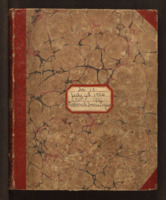 Deborah Norris Logan diary, 1826-1827
 Deborah Norris Logan (1761-1839) was a Quaker historian and memoirist. She was born into one of the most prominent families of Philadelphia and was married to George Logan in 1781. While primarily self-taught, Deborah attended Philadelphia's Friends Girls School and was considered highly educated. She is best known for the seventeen volumes that make up her diary, which she maintained until her death. The diary provides a window into post-revolutionary America, and highlights the day-to-day happenings of domestic life, as well as social and political developments in North America and Europe. Deborah meticulously logged weather patterns and other natural phenomenon, and recorded interactions with family and friends. She also mused on historical and contemporary events, which includes her experience listening to the first reading of the Declaration of Independence as a young girl. She had close ties with America's elite and foreign diplomats, and her writing chronicles the lives of the most eminent figures of the time, including John Adams, George Washington, and Joseph Bonaparte. As time passed, her diary became an outlet for her emotional distress, especially after the deaths of her husband in 1821 and her son Algernon in 1835. Deborah's role as a "revolutionary mother" was of primary importance to her, and her writing delineates how women viewed their lives and constructed their own identities within a broader social framework.
-
 Deborah Norris Logan diary, 1825-1826
 Deborah Norris Logan (1761-1839) was a Quaker historian and memoirist. She was born into one of the most prominent families of Philadelphia and was married to George Logan in 1781. While primarily self-taught, Deborah attended Philadelphia's Friends Girls School and was considered highly educated. She is best known for the seventeen volumes that make up her diary, which she maintained until her death. The diary provides a window into post-revolutionary America, and highlights the day-to-day happenings of domestic life, as well as social and political developments in North America and Europe. Deborah meticulously logged weather patterns and other natural phenomenon, and recorded interactions with family and friends. She also mused on historical and contemporary events, which includes her experience listening to the first reading of the Declaration of Independence as a young girl. She had close ties with America's elite and foreign diplomats, and her writing chronicles the lives of the most eminent figures of the time, including John Adams, George Washington, and Joseph Bonaparte. As time passed, her diary became an outlet for her emotional distress, especially after the deaths of her husband in 1821 and her son Algernon in 1835. Deborah's role as a "revolutionary mother" was of primary importance to her, and her writing delineates how women viewed their lives and constructed their own identities within a broader social framework.
-
 Deborah Norris Logan diary, 1825
 Deborah Norris Logan (1761-1839) was a Quaker historian and memoirist. She was born into one of the most prominent families of Philadelphia and was married to George Logan in 1781. While primarily self-taught, Deborah attended Philadelphia's Friends Girls School and was considered highly educated. She is best known for the seventeen volumes that make up her diary, which she maintained until her death. The diary provides a window into post-revolutionary America, and highlights the day-to-day happenings of domestic life, as well as social and political developments in North America and Europe. Deborah meticulously logged weather patterns and other natural phenomenon, and recorded interactions with family and friends. She also mused on historical and contemporary events, which includes her experience listening to the first reading of the Declaration of Independence as a young girl. She had close ties with America's elite and foreign diplomats, and her writing chronicles the lives of the most eminent figures of the time, including John Adams, George Washington, and Joseph Bonaparte. As time passed, her diary became an outlet for her emotional distress, especially after the deaths of her husband in 1821 and her son Algernon in 1835. Deborah's role as a "revolutionary mother" was of primary importance to her, and her writing delineates how women viewed their lives and constructed their own identities within a broader social framework. Pages 43 to 48 are missing from this volume.
-
 Deborah Norris Logan diary, 1824-1825
 Deborah Norris Logan (1761-1839) was a Quaker historian and memoirist. She was born into one of the most prominent families of Philadelphia and was married to George Logan in 1781. While primarily self-taught, Deborah attended Philadelphia's Friends Girls School and was considered highly educated. She is best known for the seventeen volumes that make up her diary, which she maintained until her death. The diary provides a window into post-revolutionary America, and highlights the day-to-day happenings of domestic life, as well as social and political developments in North America and Europe. Deborah meticulously logged weather patterns and other natural phenomenon, and recorded interactions with family and friends. She also mused on historical and contemporary events, which includes her experience listening to the first reading of the Declaration of Independence as a young girl. She had close ties with America's elite and foreign diplomats, and her writing chronicles the lives of the most eminent figures of the time, including John Adams, George Washington, and Joseph Bonaparte. As time passed, her diary became an outlet for her emotional distress, especially after the deaths of her husband in 1821 and her son Algernon in 1835. Deborah's role as a "revolutionary mother" was of primary importance to her, and her writing delineates how women viewed their lives and constructed their own identities within a broader social framework.
-
 Deborah Norris Logan diary, 1823-1824
 Deborah Norris Logan (1761-1839) was a Quaker historian and memoirist. She was born into one of the most prominent families of Philadelphia and was married to George Logan in 1781. While primarily self-taught, Deborah attended Philadelphia's Friends Girls School and was considered highly educated. She is best known for the seventeen volumes that make up her diary, which she maintained until her death. The diary provides a window into post-revolutionary America, and highlights the day-to-day happenings of domestic life, as well as social and political developments in North America and Europe. Deborah meticulously logged weather patterns and other natural phenomenon, and recorded interactions with family and friends. She also mused on historical and contemporary events, which includes her experience listening to the first reading of the Declaration of Independence as a young girl. She had close ties with America's elite and foreign diplomats, and her writing chronicles the lives of the most eminent figures of the time, including John Adams, George Washington, and Joseph Bonaparte. As time passed, her diary became an outlet for her emotional distress, especially after the deaths of her husband in 1821 and her son Algernon in 1835. Deborah's role as a "revolutionary mother" was of primary importance to her, and her writing delineates how women viewed their lives and constructed their own identities within a broader social framework. Pages 90 and 91 are missing from this volume.
-
 Deborah Norris Logan diary, 1821-1822
 Deborah Norris Logan (1761-1839) was a Quaker historian and memoirist. She was born into one of the most prominent families of Philadelphia and was married to George Logan in 1781. While primarily self-taught, Deborah attended Philadelphia's Friends Girls School and was considered highly educated. She is best known for the seventeen volumes that make up her diary, which she maintained until her death. The diary provides a window into post-revolutionary America, and highlights the day-to-day happenings of domestic life, as well as social and political developments in North America and Europe. Deborah meticulously logged weather patterns and other natural phenomenon, and recorded interactions with family and friends. She also mused on historical and contemporary events, which includes her experience listening to the first reading of the Declaration of Independence as a young girl. She had close ties with America's elite and foreign diplomats, and her writing chronicles the lives of the most eminent figures of the time, including John Adams, George Washington, and Joseph Bonaparte. As time passed, her diary became an outlet for her emotional distress, especially after the deaths of her husband in 1821 and her son Algernon in 1835. Deborah's role as a "revolutionary mother" was of primary importance to her, and her writing delineates how women viewed their lives and constructed their own identities within a broader social framework.
-
 Deborah Norris Logan diary, 1819-1821
 Deborah Norris Logan (1761-1839) was a Quaker historian and memoirist. She was born into one of the most prominent families of Philadelphia and was married to George Logan in 1781. While primarily self-taught, Deborah attended Philadelphia's Friends Girls School and was considered highly educated. She is best known for the seventeen volumes that make up her diary, which she maintained until her death. The diary provides a window into post-revolutionary America, and highlights the day-to-day happenings of domestic life, as well as social and political developments in North America and Europe. Deborah meticulously logged weather patterns and other natural phenomenon, and recorded interactions with family and friends. She also mused on historical and contemporary events, which includes her experience listening to the first reading of the Declaration of Independence as a young girl. She had close ties with America's elite and foreign diplomats, and her writing chronicles the lives of the most eminent figures of the time, including John Adams, George Washington, and Joseph Bonaparte. As time passed, her diary became an outlet for her emotional distress, especially after the deaths of her husband in 1821 and her son Algernon in 1835. Deborah's role as a "revolutionary mother" was of primary importance to her, and her writing delineates how women viewed their lives and constructed their own identities within a broader social framework. Pages 24 to 28, 46 to 48, 86 to 96, and 114 to 117 are missing from this volume.
-
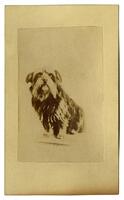 Strange Story of a Dog
 A trade card promoting the Pennsylvania Society for the Prevention of Cruelty to Animals, featuring a story about about a dog named "Bobby" who kept vigil over his master's grave at the Old Gray Friars Churchyard.
-
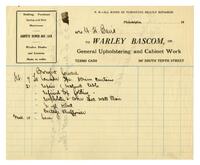 Warley Bascom Sons Business receipts and business card
 Two receipts for upholstery and curtain work written out to a Mrs. Baird and the Deaconesses Home, with no years documented, and one business card for the Bascom Sons cabinetry and upholstery business.
-
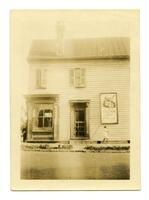 Charleston South Carolina Store of Warley Bascom, Sr. in 1861 photograph
 Inscription on back reads: Charleston, S.C. store of Warley Bascom, Sr. in 1861. Still standing in 1940.
-
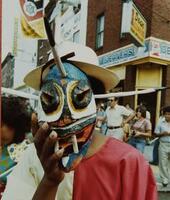 Festivals and La Feria del Barrio
 This collection of photos show a variety of Puerto Rican cultural celebrations in North Philadelphia in the 1960's, 70's, and 80's.